Storms can be devastating, especially when they hit large commercial buildings. A commercial roof is one of the most vulnerable parts of any structure during severe weather. Protecting your roof from storm damage can save you from expensive repairs, minimize downtime, and extend the life of your building. Whether it’s heavy rain, strong winds, or hail, taking proactive steps to safeguard your roof will help keep your property in good shape.
In this guide, we’ll explore simple strategies to protect your commercial roof from storm damage. From regular inspections and proper installation to material choices, these tips are designed to help you prepare before storms arrive. Let’s dive into what you can do to ensure your roof stays strong, even in Huntsville’s unpredictable weather.
The Importance of Preventing Storm Damage to Your Roof
A storm can cause various types of damage to a commercial roof, including leaks, cracks, or even structural failure. The roof is your building’s first line of defense, and if it’s compromised, everything inside the building is at risk. A damaged roof can disrupt business operations, lead to costly repairs, and result in lost revenue.
By protecting your roof from storm damage, you’re not only preventing expensive issues but also maintaining the safety of your employees, customers, and assets. Regular maintenance and a proactive approach can keep your business running smoothly, no matter what nature throws your way.
Tip 1: Conduct Regular Roof Inspections
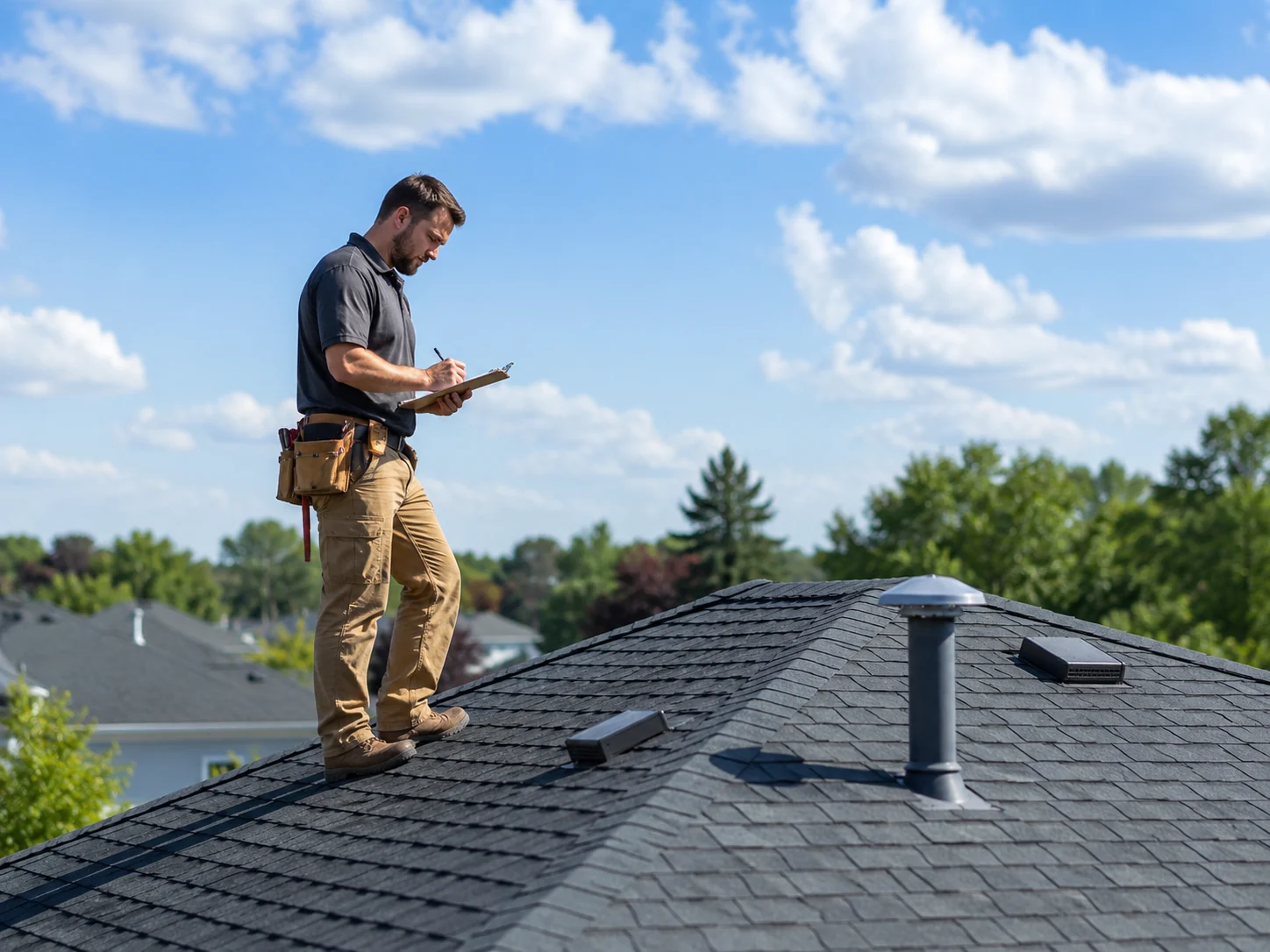
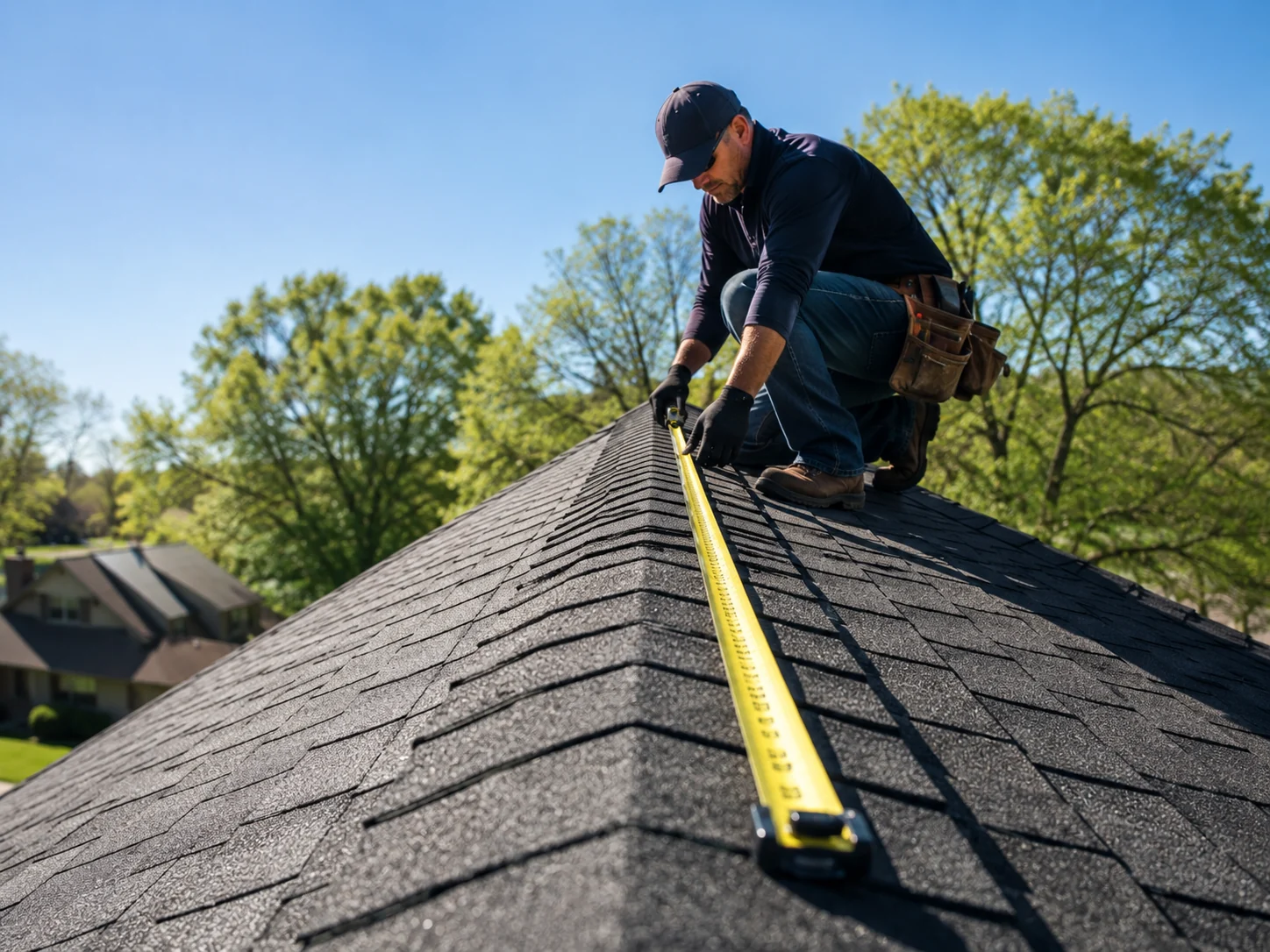
One of the best ways to protect your commercial roof is through regular inspections. Checking your roof for potential problems before a storm can help you catch issues early, such as loose shingles, cracks, or pooling water. These problems might seem minor, but they can turn into major headaches during a storm. A professional roofing contractor should inspect your roof at least twice a year, ideally in the spring and fall. Inspections after storms are also crucial, even if no apparent damage is visible. Early detection of issues can help you avoid costly repairs later. During an inspection, look for missing or loose shingles, which can allow water to seep into the building; cracks or splits, which can worsen during heavy rain or high winds; clogged gutters or drains, which can lead to water pooling and added pressure on your roof; and debris buildup, including leaves and branches, which can cause damage if left unchecked.
Tip 2: Choose Durable Roofing Materials
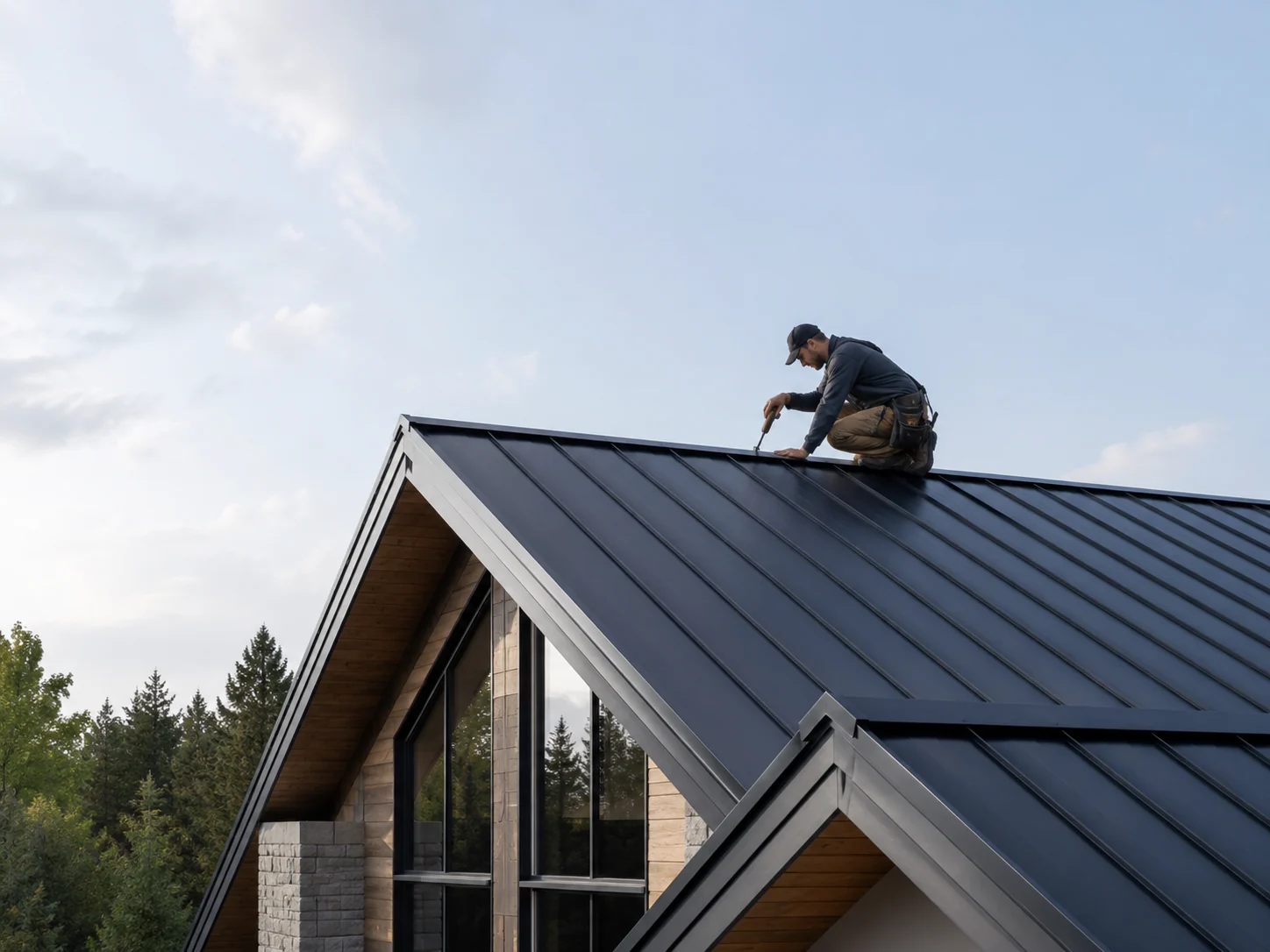
The materials you choose for your commercial roof greatly impact its ability to withstand storms. Investing in durable roofing materials is essential for effective storm protection. Metal roofing is highly durable, handling strong winds, hail, and heavy rain while being fire-resistant. Thermoplastic Polyolefin (TPO) is ideal for flat roofs, offering excellent resistance to weather damage, UV exposure, and punctures. Built-Up Roofing (BUR), with its layers of asphalt and tar, provides strong leak and water damage protection. EPDM is a flexible synthetic rubber membrane that resists wind, hail, and UV damage. Consult with your roofing contractor to select the best material for your building and location, ensuring a robust and reliable roof.
Tip 3: Secure Roof Accessories and Equipment
Commercial roofs often have HVAC units, vents, and skylights that can be damaged or dislodged during storms if not properly secured. To prevent this, ensure HVAC units are firmly anchored to withstand strong winds, use protective covers for skylights and vents to guard against hail and debris, and regularly check that all fasteners are tight and in good condition. Proper maintenance of these roof accessories will help minimize storm damage and safeguard both your roof and the building below.
Tip 4: Keep Your Roof Clear of Debris
Debris-like leaves and branches can accumulate on your roof, blocking drainage systems and leading to water pooling, which can cause leaks and structural damage. To prevent this, regularly clean your roof, especially during storm season, and remove any debris after major storms. Use a broom or leaf blower to clear leaves and branches carefully, ensure gutters and drains are free of clogs, and trim surrounding trees to prevent branches from falling. Regular maintenance will help keep your roof in top shape and ready for the next storm.
Tip 5: Schedule Regular Roof Maintenance
Scheduling regular roof maintenance is vital to keeping your commercial roof storm-ready year-round. Routine maintenance by a professional contractor helps catch small issues early, preventing them from becoming major problems. Essential tasks include reinforcing weak spots, sealing cracks to avoid leaks, and replacing any damaged shingles. Regular upkeep ensures your roof remains in optimal condition to handle severe weather.
Conclusion
Protecting your commercial roof from storm damage is crucial for maintaining the safety and longevity of your building. By conducting regular inspections, choosing durable materials, securing roof accessories, keeping the roof clear of debris, and scheduling regular maintenance, you can minimize the risk of costly storm-related repairs. Taking these proactive measures will ensure your commercial roof remains strong, no matter what the weather has in store.
When it comes to protecting your roof in Huntsville, it’s always a good idea to consult with professionals. Rocket Roofing & Restoration Contractors can help you assess your roof’s condition and provide expert advice on how to protect your investment for the long term.