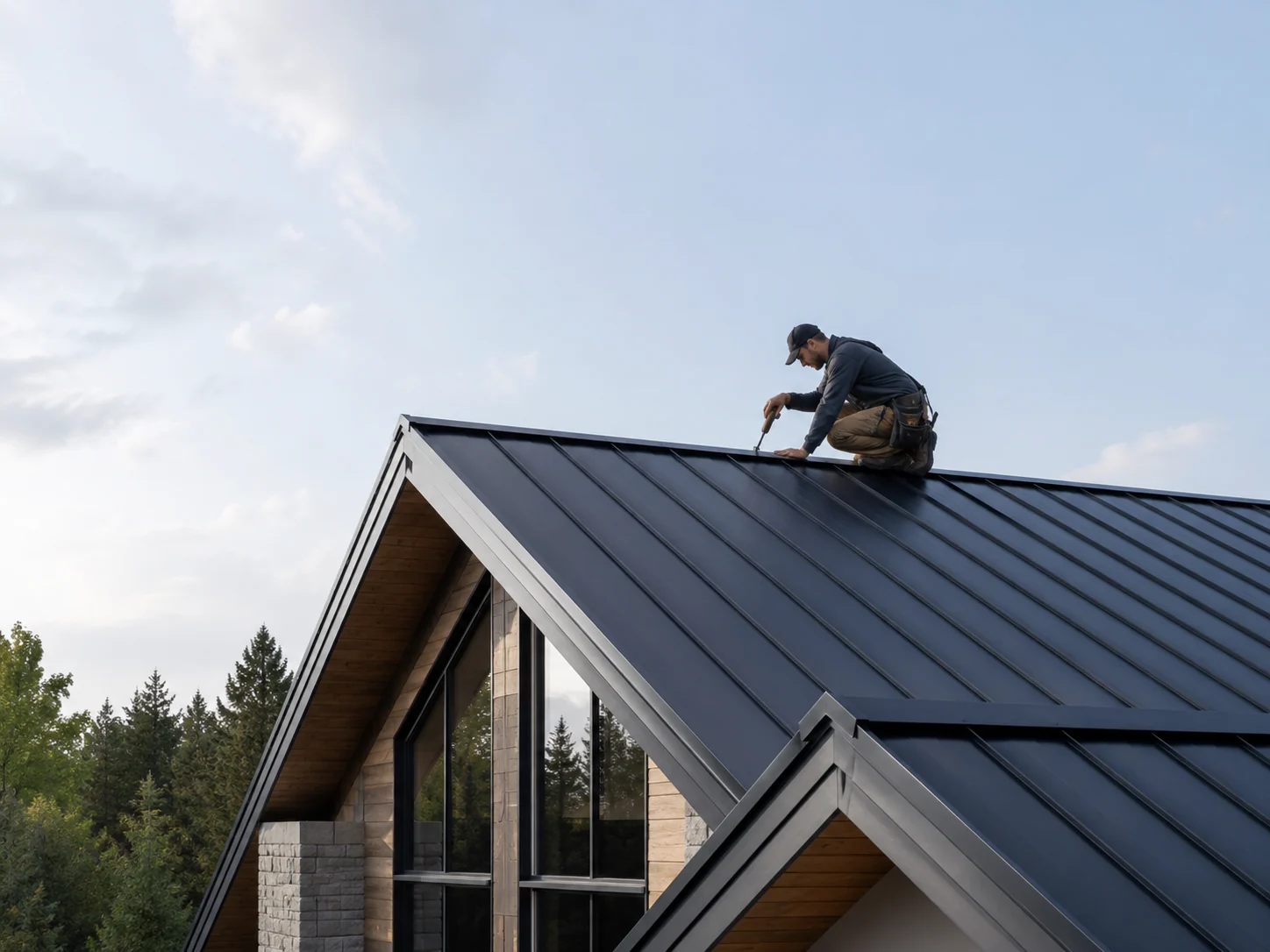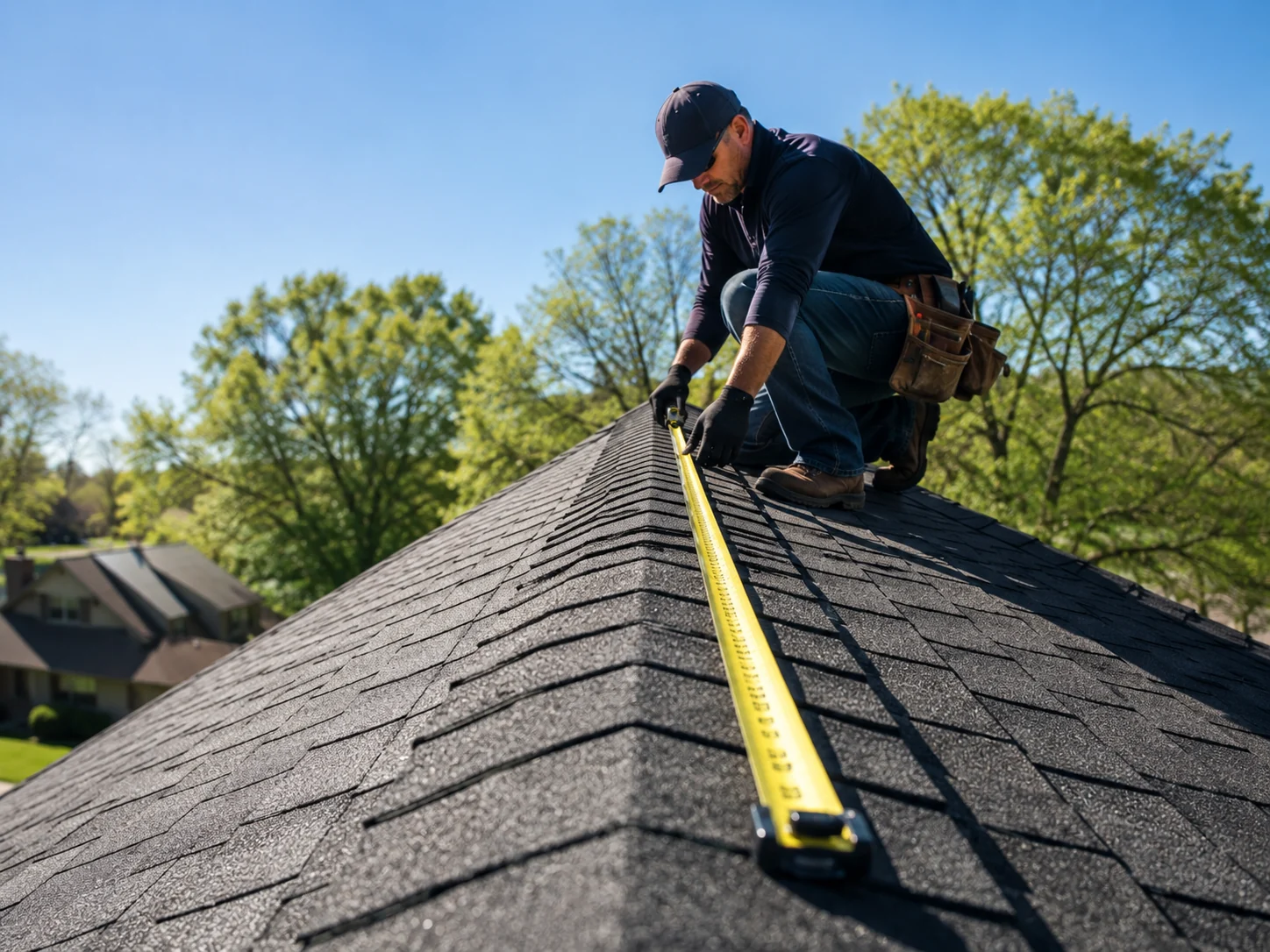
A roof does not collapse out of nowhere. Individual shingles develop tiny cracks that spread across their surface as moisture remains hidden beneath the top layer. The fasteners experience gradual movement because their material has been damaged by multiple cycles of expansion and contraction due to temperature changes. The street view of a rooftop presents an image of stability; however, hidden issues already exist below the surface. The silent movements of these elements have the potential to weaken the structure to the point of severe damage within three to five years.
Regional Challenges: Climate Zone 3A Impacts
Huntsville falls into climate zone 3A under the International Energy Conservation Code. Temperatures there shift each year from 25°F up to 98°F, making roof materials swell and shrink. Because of these shifts, both glued sections and attached parts face strain. As years pass, nails may ease just a bit away from wooden roof panels, letting driven rain slip through—even when shingles look fine. When checking, experts spot slight edge lifting or weak deck areas by applying measured force; this kind of detail remains hidden during casual ladder looks.
Attic Ventilation and the Ice Dam Cycle
Air moves through attics more importantly than people think. Without proper flow, heat builds up summer and winter alike – so snow slides off some parts while sticking to others, setting the stage for ice dams even when winters feel mild. Meltwater runs down, then freezes again at the edges, sneaking beneath roofing layers. Though Huntsville rarely stays below freezing long, nightly cold snaps mixed with warmer days shift temperatures just enough to trigger this cycle multiple times yearly. Look close along the fascia for signs of old leaks; check how insulation sits, making sure it leaves breathing space at intake points.
The Corrosive Power of Organic Debris
Most folks underestimate clutter on roofs. After the rain stops, wet leaves stay put in dips along edges, thanks to tucked-in corners. Moisture lingers because pine needles pack tightly, making them difficult to wash. Acorns pile up, too, adding to the damp load over weeks. Rot begins quietly beneath those heaps, turning natural bits into sour mixtures. That acid eats at seams where metal meets wood, weakening joints others might miss. Flashing rusts earlier than it should when soaked like this. Composite parts degrade more quickly once acids gain a foothold. Shingles rated tough by certain tests still suffer if bathed in goop for months. Labels claiming top scores mean little when chemistry works against them daily. Inspectors pull aside piles deliberately during checks. They peek below, looking for spongy spots or odd colors hiding underneath.
Insurance Benefits and Maintenance Logs
Something else changes quietly—insurance expectations. Not every company does it, but some in North Alabama peek at upkeep logs when renewal time comes around. If there is no paper trail showing regular checkups on the house, costs might go up, or protection could shrink, particularly after storms roll through. Roofing company Huntsville AL know damaged roofs left alone often mean bigger payouts later. A signed report from someone certified to inspect rooftops can count as proof that things are looked after; that small detail sometimes saves money down the road, though nobody really talks about it.
Standardization and Risk-Based Decision Making
Every time Rocket Roofing & Restoration Contractors visits a property, they check everything using a fixed list based on NFPA 220 and ASTM standards. Photos come marked up, alongside comments about how screws are holding up, whether gutters feel solid when tugged, plus what should be done first based on risk level. The results do more than point out fixes—they shape decisions down the road. A small sign of underlayment thinning now could mean delaying total rework for nearly 4 seasons if looked after properly, easing costs over time.
Assessing Load and Penetration Points
Anyone rarely thinks about what sits on a roof when wondering how long it will last. Heavy things like AC systems, solar setups, or antenna poles can press down in spots, allowing water to seep through. Every place where something cuts into the roofing needs its own close look. Sticky barriers break down more quickly when shaken often or baked in the sun without shade. People who install these parts test how tight the bolts are and search for tiny cracks that most would miss.
Optimal Timing: The Spring Inspection Window
Spring brings the best moment. Try aiming for March through May—winter just ended its worst push, yet summer hasn’t started magnifying hidden flaws. Waiting until late summer might mean delays, since everyone wants a look after storms pass. Going once every year keeps things steady; patterns start showing up: if ridge caps shift a bit each time, that may point to slow roof frame movement, something to watch.
Conclusion: Staying Ahead of the Storm
Most of the time, checking things doesn’t keep hail away or change the weather. Still, it moves you ahead of problems instead of trailing behind them. When homes range from old brick houses built before 1960 to sleek new designs meant to save power, one thing holds across all neighborhoods: hidden harm grows quickest if left alone.